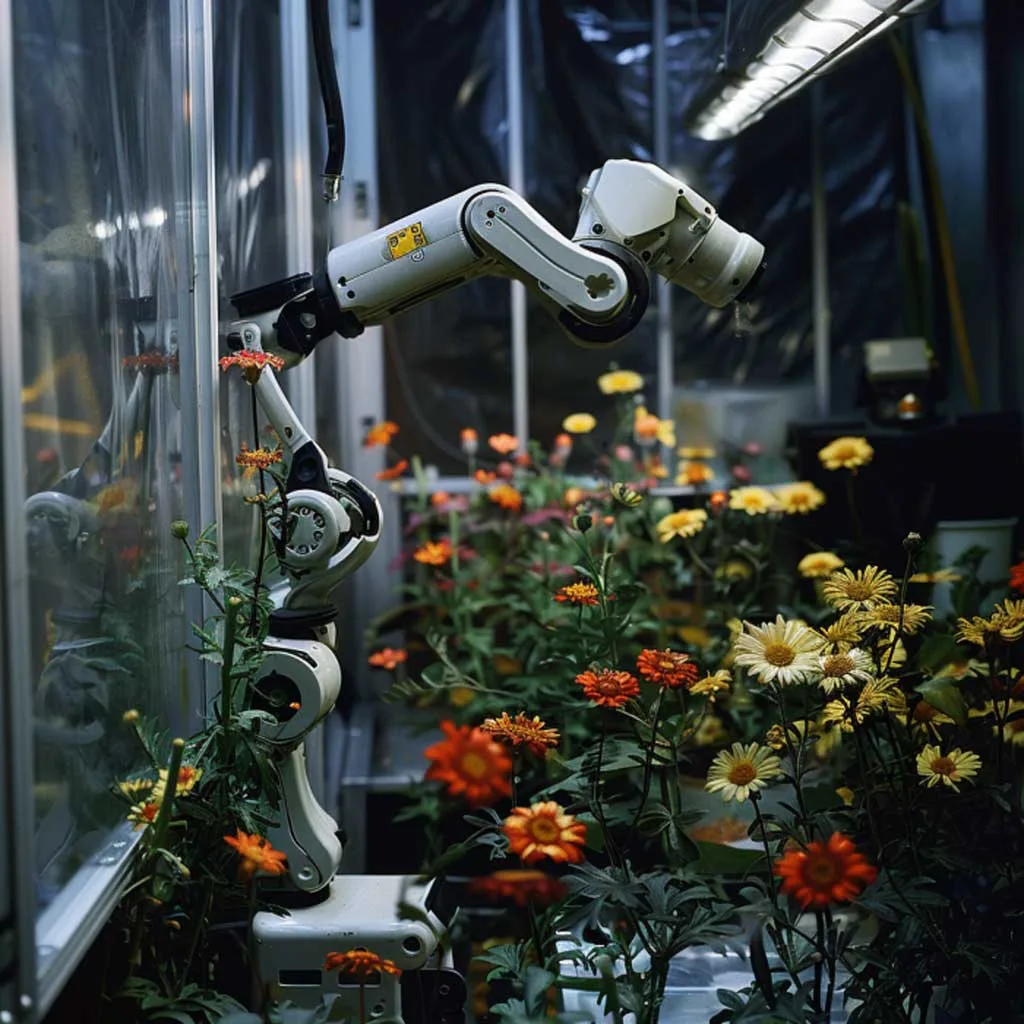
The decline of bee populations worldwide has sparked concern among environmentalists, scientists, and farmers alike. Bees are essential pollinators responsible for fertilizing many of the crops we rely on for food production. However, factors such as habitat loss, pesticide use, and climate change have contributed to significant declines in bee populations, posing a threat to global food security.
In response to this challenge, researchers and engineers are turning to innovative technological solutions, including the development of robotic bees powered by artificial intelligence (AI), to address the pollination crisis and revolutionize agriculture as we know it.
The Role of Pollination in Agriculture
Pollination is a vital process in agriculture, essential for the reproduction of many plant species, including a vast array of crops. Bees and other pollinators facilitate this process, leading to fertilization and the production of fruits, vegetables, nuts, and seeds.
Without efficient pollination, crop yields would decline, leading to reduced food production and increased food insecurity.
The Decline of Bee Populations
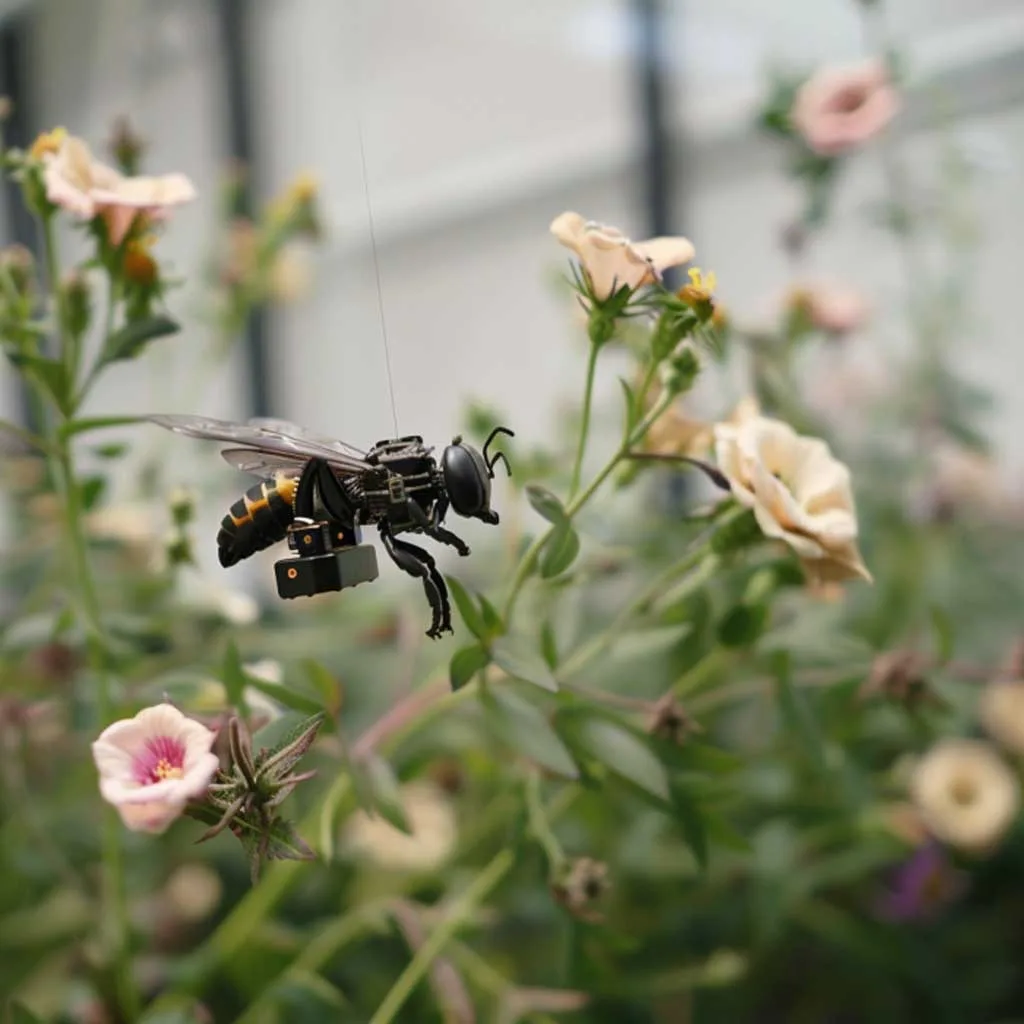
Despite their critical role, bee populations have been declining at an alarming rate in recent years. This decline is attributed to various factors, including habitat loss due to urbanization and agricultural expansion, pesticide use, diseases, and climate change.
As a result, farmers are facing challenges in ensuring adequate pollination of their crops, leading to reduced yields and economic losses.
Introducing Robotic Bees
To address the pollination crisis, researchers and engineers have been developing robotic bees, also known as “robobees” or “pollinator drones.” These small, insect-sized robots are equipped with AI-powered sensors and actuators that enable them to mimic the behavior of real bees.
Robotic bees are designed to autonomously navigate their environment, identify flowers, collect pollen, and transfer it between flowers to facilitate pollination.
The Role of Artificial Intelligence
Artificial intelligence plays a crucial role in the development and operation of robotic bees. AI algorithms enable these robots to perform complex tasks such as flower recognition, pollen collection, and navigation in dynamic environments. By leveraging machine learning techniques, robotic bees can continuously improve their performance over time, adapting to changing environmental conditions and optimizing their pollination strategies.
Challenges and Considerations
While robotic bees hold great promise for revolutionizing agriculture, there are several challenges and considerations that need to be addressed. Technical challenges include developing lightweight and energy-efficient designs, ensuring robust navigation and communication systems.
Designing AI algorithms capable of mimicking the intricate behaviors of real bees can also be a real challenge. Ethical considerations include potential impacts on natural pollinators and ecosystems, as well as concerns about the unintended consequences of introducing robotic bees into agricultural settings.

Additionally, practical challenges such as scalability, cost-effectiveness, and public acceptance need to be addressed to ensure the widespread adoption of this technology.
Future Directions and Conclusion
Despite the challenges, the development of robotic bees represents a promising technological solution to address the pollination crisis and revolutionize agriculture. By leveraging artificial intelligence and robotics, researchers and engineers are paving the way for a future where robotic bees could supplement or even replace natural pollinators in agricultural settings.
Curious about other new and emerging tech trends? Make sure you subscribe to our newsletter as well as our Helix Insider Podcast to stay up-to-date as we bring you the latest tech insights!
Recent Blog Articles
Recent Blog Articles

Unwrapping 2026: Tech Trends to Watch in the New Year
Published on: December 30, 2025
As 2025 comes to a close and the wrapping paper settles, many of us find ourselves reflecting on the year behind us — and wondering what’s next.
Read time: 49 min

TikTok Made Me Buy It: The Rise of Algorithm-Driven Shopping
Published on: June 3, 2025
Where your next gadget, skincare routine, or oddly specific kitchen tool is just one scroll away, it's no surprise that the phrase "TikTok made me buy it" has become a full-blown cultural phenomenon.
Read time: 51 min

The Day the Internet Forgot Us: How a Massive Outage Could Reshape Society Overnight
Published on: April 8, 2025
For most of us, it’s unthinkable. Sure, Wi-Fi goes out sometimes. Maybe a storm takes down your neighborhood connection. But the entire internet? All at once? That’s the stuff of dystopian novels.
Read time: 64 min

404 Nostalgia Not Found: Websites We Loved and Lost
Published on: February 11, 2025
Ah, the Internet of the early 2000s. It was clunky, colorful, and full of promise. Websites blinked, sparkled, and proudly displayed hit counters like digital merit badges.
Read time: 36 min

When Online Dating Goes Wrong: The Dark Side of Digital Romance
Published on: February 4, 2025
Online dating has revolutionized how we connect with potential partners. Platforms like Tinder, Bumble, and Hinge offer convenience and a vast pool of singles at our fingertips.
Read time: 38 min

Maximizing ROI with Custom Software: A Smart Investment for Sustainable Growth
Published on: January 28, 2025
Organizations must continuously evolve to stay ahead. One of the most impactful ways to achieve long-term success is by investing in custom software solutions.
Read time: 23 min

AI-Powered Productivity: How Artificial Intelligence is Reshaping Your Industry
Published on: January 21, 2025
Companies that embrace AI today are positioning themselves for long-term success, unlocking unprecedented productivity and innovation.
Read time: 42 min