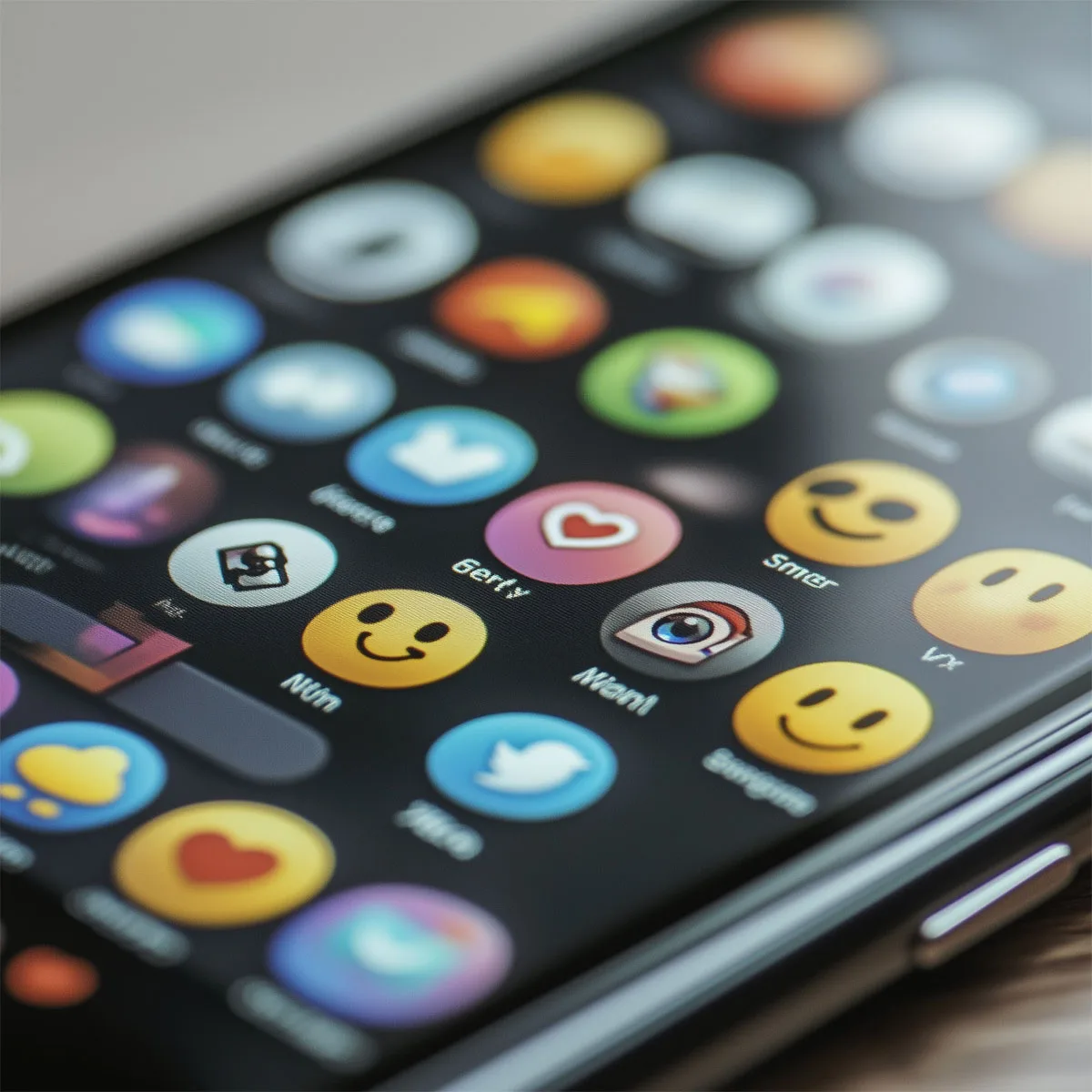
Emojis have become an integral part of online communication, allowing users to express emotions, convey messages, and add personality to their texts and social media posts. From simple smiley faces to complex characters representing a wide range of emotions and objects, emojis have undergone a remarkable evolution since their inception.
Origins of Emojis: The Birth of the Smiley Face
The origins of emojis can be traced back to the early days of the Internet, when users began experimenting with text-based emoticons to convey emotions in online communication – you might remember that!
One of the earliest known examples is the “smiley face,” which consists of a colon followed by a closed parenthesis, representing a simple smiling expression. This simple smiley face quickly gained popularity and became a staple of online communication, paving the way for the development of more complex emojis in the years to come.
The Birth of Emojis: Shigetaka Kurita and the First Emoji Set

The term “emoji” originated in Japan, where it is derived from the Japanese words for “picture” (e) and “character” (moji). In 1999, Japanese designer Shigetaka Kurita created the first set of emojis for NTT DoCoMo, a Japanese telecommunications company.
Kurita’s original set of 176 emojis consisted of simple pixel art icons representing a variety of emotions, objects, and activities, including smiley faces, hearts, weather symbols, and food items.
These early emojis laid the foundation for the widespread adoption of emojis in digital communication and inspired the development of more diverse and expressive emoji sets.
The Unicode Consortium: Standardizing Emojis Across Platforms
As emojis gained popularity worldwide, there was a growing need to standardize their representation across different platforms and devices. In 2010, the Unicode Consortium, a non-profit organization responsible for standardizing text and characters in digital communication, introduced the Unicode Standard for emojis.
This standard assigns a unique code point to each emoji, ensuring consistent representation and compatibility across various platforms and devices. The Unicode Standard also allows for the addition of new emojis through regular updates, enabling the inclusion of diverse and culturally relevant emojis to reflect the evolving needs of users worldwide.
The Emoji Explosion: From Emoji Sets to Unicode Consortium Updates
Since the introduction of the Unicode Standard for emojis, the number and variety of emojis available to users have exploded.
Major technology companies such as Apple, Google, Microsoft, and Facebook have developed their own emoji sets, each with its own unique design style and interpretation of emojis.
Additionally, the Unicode Consortium regularly releases updates to the Unicode Standard to introduce new emojis and address emerging trends and cultural phenomena. These updates have led to the inclusion of emojis representing a wide range of identities, expressions, and objects, reflecting the diverse needs and preferences of users around the world.
The Cultural Impact of Emojis: From Online Communication to Pop Culture
Emojis have not only revolutionized online communication but have also made their mark on popular culture and everyday life. Emojis have been incorporated into a wide range of products and merchandise, including clothing, accessories, and even food items.
Emojis have also inspired the creation of emoji-themed events, festivals, and exhibitions around the world, celebrating the cultural significance of these digital icons.
Additionally, emojis have been used in marketing campaigns, advertising, and branding efforts by companies seeking to connect with consumers in a more engaging and expressive way.
The evolution of emojis represents a fascinating journey of innovation, creativity, and cultural significance. From their origins as text-based emoticons to their current status as universal symbols of expression, emojis have become an integral part of online communication and popular culture.
As technology continues to evolve and society becomes increasingly digital, we predict emojis will continue to play a prominent role in how we communicate, express ourselves, and connect with others in the digital age.
Recent Blog Articles
Recent Blog Articles

Unwrapping 2026: Tech Trends to Watch in the New Year
Published on: December 30, 2025
As 2025 comes to a close and the wrapping paper settles, many of us find ourselves reflecting on the year behind us — and wondering what’s next.
Read time: 49 min

TikTok Made Me Buy It: The Rise of Algorithm-Driven Shopping
Published on: June 3, 2025
Where your next gadget, skincare routine, or oddly specific kitchen tool is just one scroll away, it's no surprise that the phrase "TikTok made me buy it" has become a full-blown cultural phenomenon.
Read time: 51 min

The Day the Internet Forgot Us: How a Massive Outage Could Reshape Society Overnight
Published on: April 8, 2025
For most of us, it’s unthinkable. Sure, Wi-Fi goes out sometimes. Maybe a storm takes down your neighborhood connection. But the entire internet? All at once? That’s the stuff of dystopian novels.
Read time: 64 min

404 Nostalgia Not Found: Websites We Loved and Lost
Published on: February 11, 2025
Ah, the Internet of the early 2000s. It was clunky, colorful, and full of promise. Websites blinked, sparkled, and proudly displayed hit counters like digital merit badges.
Read time: 36 min

When Online Dating Goes Wrong: The Dark Side of Digital Romance
Published on: February 4, 2025
Online dating has revolutionized how we connect with potential partners. Platforms like Tinder, Bumble, and Hinge offer convenience and a vast pool of singles at our fingertips.
Read time: 38 min

Maximizing ROI with Custom Software: A Smart Investment for Sustainable Growth
Published on: January 28, 2025
Organizations must continuously evolve to stay ahead. One of the most impactful ways to achieve long-term success is by investing in custom software solutions.
Read time: 23 min
AI-Powered Productivity: How Artificial Intelligence is Reshaping Your Industry
Published on: January 21, 2025
Companies that embrace AI today are positioning themselves for long-term success, unlocking unprecedented productivity and innovation.
Read time: 42 min