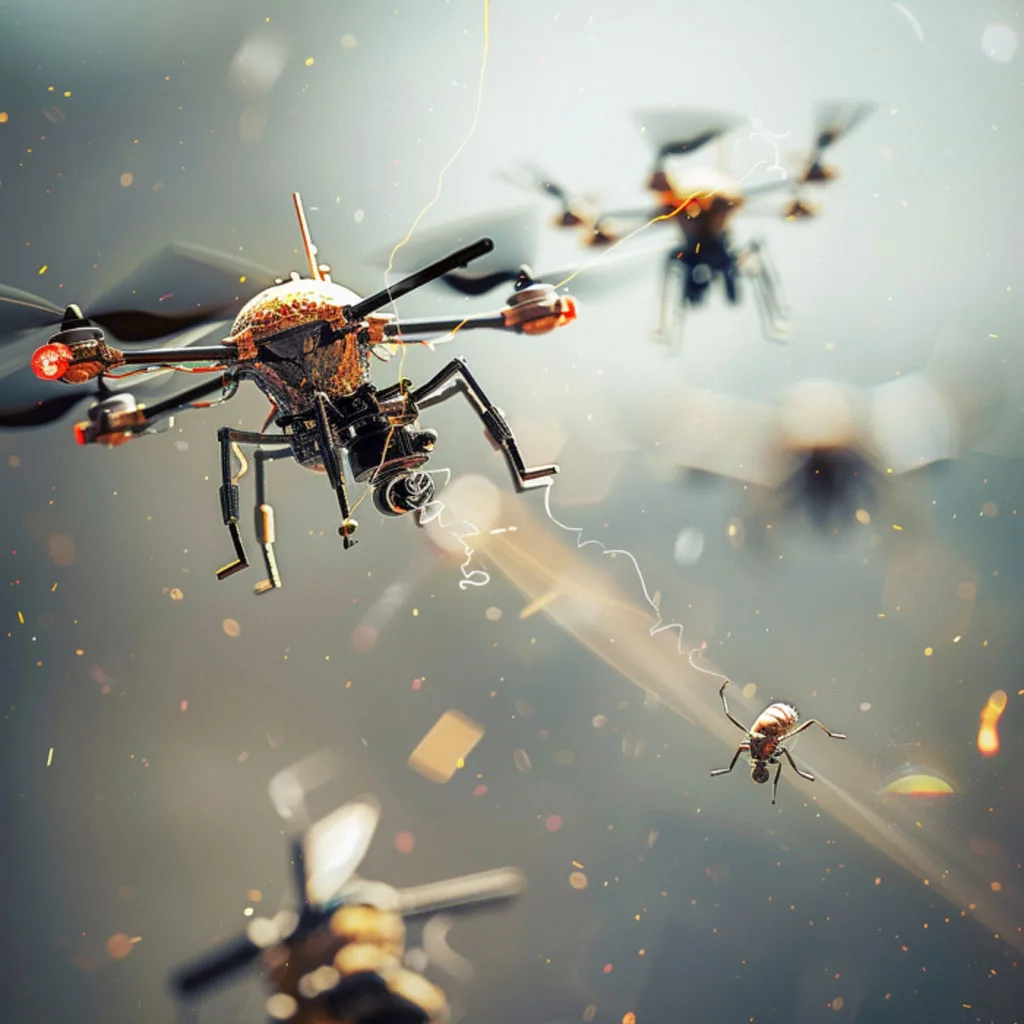
The miniaturization of drones has reached new frontiers with the development of insect-sized drones, also known as microbots. These tiny marvels of engineering are poised to revolutionize industries ranging from surveillance and reconnaissance to environmental monitoring and exploration.
The Evolution of Microbots
The concept of microbots draws inspiration from nature, particularly from the remarkable capabilities of insects and other small creatures. Mimicking the agility, maneuverability, and size of insects, engineers have developed miniature drones capable of navigating complex environments with precision and efficiency.
Early iterations of microbots were limited by technological constraints, with bulky components and limited functionality. However, advancements in materials science, microelectronics, and robotics have enabled the development of increasingly sophisticated microbots with a wide range of capabilities.
Design Principles and Engineering Challenges
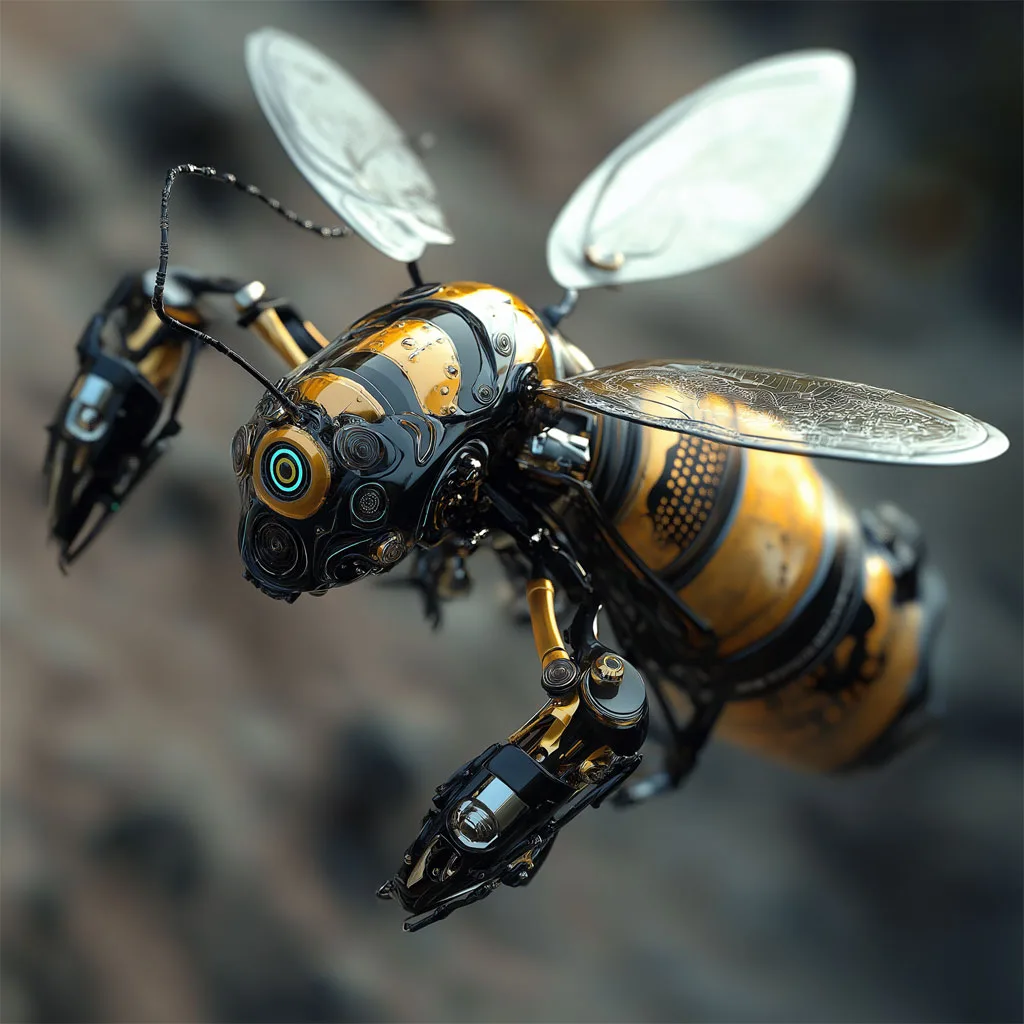
Designing insect-sized drones presents unique engineering challenges due to the constraints imposed by size, weight, and power consumption. Miniaturizing components such as motors, sensors, and batteries while maintaining functionality and performance requires innovative approaches and interdisciplinary collaboration.
One of the key challenges in microbot design is achieving a balance between size and capability. Engineers must carefully optimize the size and weight of components to maximize functionality while ensuring that the drone remains small and lightweight enough to navigate tight spaces and withstand environmental hazards.
Another challenge is power management, as microbots typically rely on lightweight batteries or energy harvesting technologies to power their onboard systems. Maximizing energy efficiency and implementing intelligent power management strategies are essential for prolonging flight time and enhancing operational endurance.
Applications in Surveillance and Reconnaissance
One of the primary applications of insect-sized drones is in surveillance and reconnaissance, where their small size and agility make them ideal for covert operations and intelligence gathering. Microbots can infiltrate confined spaces, navigate densely populated areas, and gather real-time data without arousing suspicion.
Law enforcement agencies and military organizations are increasingly deploying microbots for reconnaissance missions, border surveillance, and counter-terrorism operations. These tiny drones can provide critical situational awareness, monitor suspicious activities, and gather intelligence in urban environments where traditional surveillance methods may be impractical or risky.
In addition to security applications, microbots are also used for wildlife monitoring, environmental surveillance, and disaster response. Researchers and conservationists use insect-sized drones to track wildlife populations, monitor deforestation, and assess environmental damage in remote or inaccessible areas.
Exploration and Scientific Research
Microbots are also playing a vital role in exploration and scientific research, enabling scientists to study inaccessible or hazardous environments with unprecedented precision and detail. In fields such as archaeology, geology, and space exploration, microbots are used to explore caves, crevices, and other challenging terrain.
In archaeology, microbots equipped with cameras and sensors can explore ancient ruins, uncover hidden chambers, and document archaeological sites without disturbing delicate artifacts or structures. Similarly, in geology, microbots can traverse rugged landscapes, collect samples, and map geological formations with high resolution and accuracy.
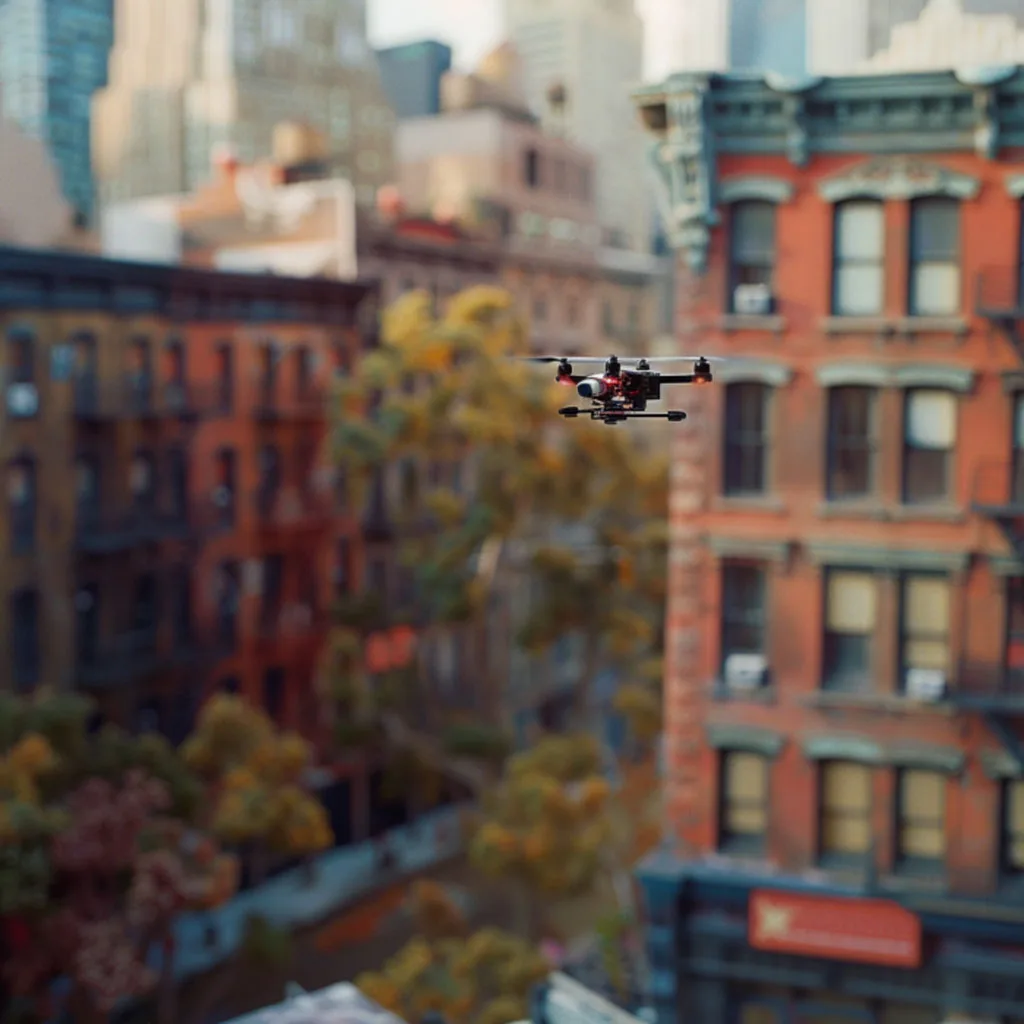
In space exploration, microbots offer a cost-effective and versatile platform for planetary exploration and reconnaissance. NASA and other space agencies are developing microbots capable of exploring the surfaces of planets, moons, and asteroids, providing valuable insights into planetary geology, composition, and potential habitats for life.
Ethical and Societal Implications
Insect-sized drones represent a groundbreaking advancement in robotics technology with vast potential for applications in surveillance, exploration, and scientific research. From covert intelligence gathering to planetary exploration, microbots offer a versatile and agile platform for navigating complex environments and gathering real-time data with precision and efficiency.
However, the proliferation of microbots also raises significant ethical and societal concerns that must be addressed through careful consideration, regulation, and oversight.
In promoting continued dialogue, collaboration, and responsible innovation, we can harness the transformative potential of insect-sized drones while mitigating their potential risks and ensuring that they serve the greater good of humanity and the planet.
Recent Blog Articles
Recent Blog Articles

Unwrapping 2026: Tech Trends to Watch in the New Year
Published on: December 30, 2025
As 2025 comes to a close and the wrapping paper settles, many of us find ourselves reflecting on the year behind us — and wondering what’s next.
Read time: 49 min

TikTok Made Me Buy It: The Rise of Algorithm-Driven Shopping
Published on: June 3, 2025
Where your next gadget, skincare routine, or oddly specific kitchen tool is just one scroll away, it's no surprise that the phrase "TikTok made me buy it" has become a full-blown cultural phenomenon.
Read time: 51 min

The Day the Internet Forgot Us: How a Massive Outage Could Reshape Society Overnight
Published on: April 8, 2025
For most of us, it’s unthinkable. Sure, Wi-Fi goes out sometimes. Maybe a storm takes down your neighborhood connection. But the entire internet? All at once? That’s the stuff of dystopian novels.
Read time: 64 min

404 Nostalgia Not Found: Websites We Loved and Lost
Published on: February 11, 2025
Ah, the Internet of the early 2000s. It was clunky, colorful, and full of promise. Websites blinked, sparkled, and proudly displayed hit counters like digital merit badges.
Read time: 36 min

When Online Dating Goes Wrong: The Dark Side of Digital Romance
Published on: February 4, 2025
Online dating has revolutionized how we connect with potential partners. Platforms like Tinder, Bumble, and Hinge offer convenience and a vast pool of singles at our fingertips.
Read time: 38 min

Maximizing ROI with Custom Software: A Smart Investment for Sustainable Growth
Published on: January 28, 2025
Organizations must continuously evolve to stay ahead. One of the most impactful ways to achieve long-term success is by investing in custom software solutions.
Read time: 23 min

AI-Powered Productivity: How Artificial Intelligence is Reshaping Your Industry
Published on: January 21, 2025
Companies that embrace AI today are positioning themselves for long-term success, unlocking unprecedented productivity and innovation.
Read time: 42 min